Writing about grief, hope, music, memory and community.
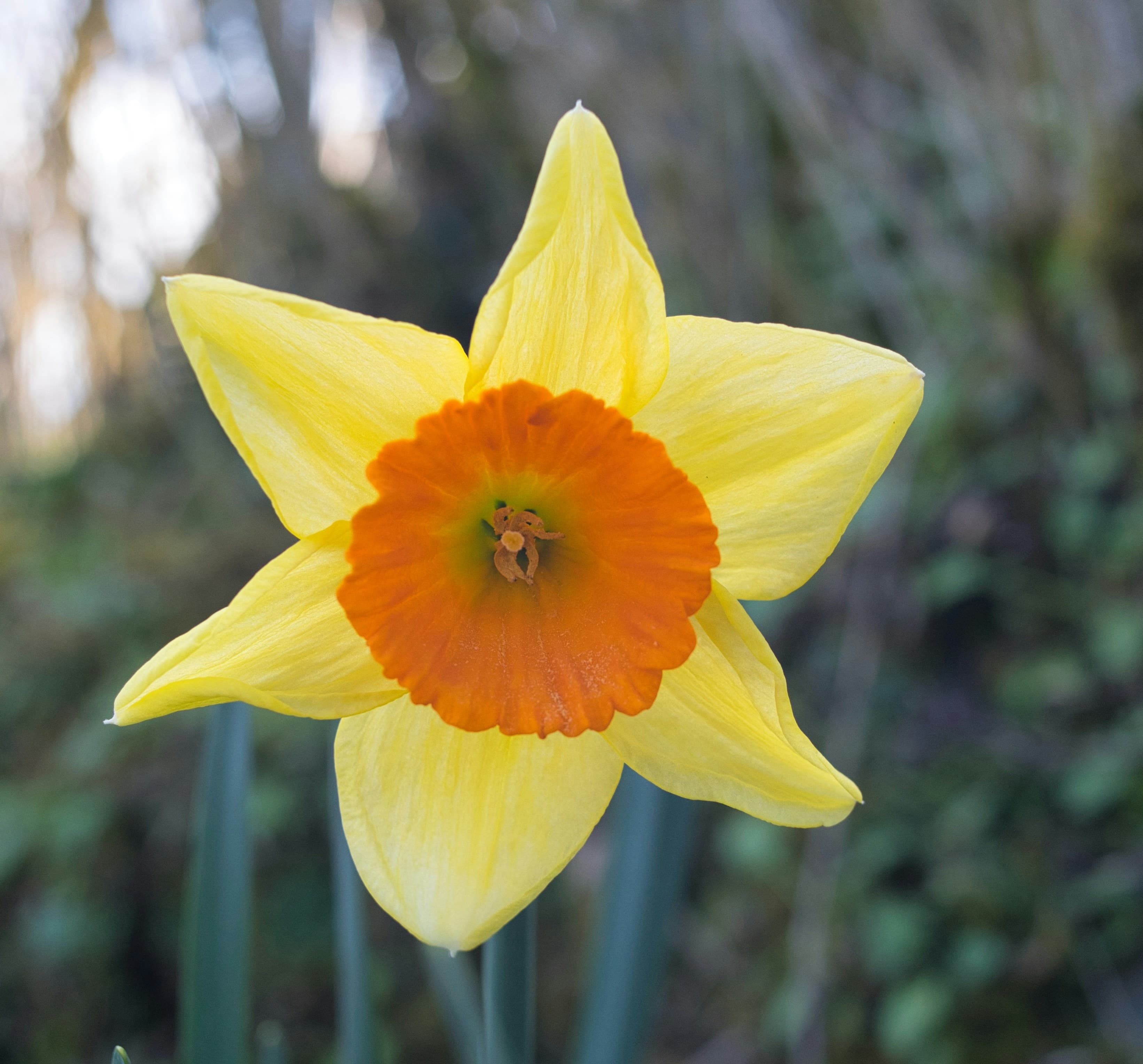
The Welsh name for the daffodil is cenhinen Bedr — Peter's leek, Saint Peter's leek. It blooms on the first of March, Saint David's Day, the day Wales claims for itself. It comes back every year from ground that looked, through the winter, like it had given up.
Read more →
The Welsh word cartref means home, but it carries more than the English does. Cart is a base, a foundation. Tref is a town, a settlement, a place where people have chosen to be. Together they suggest a home that is also a position — a place where you have located yourself in the world.
Welsh has a goodnight that is softer than the English version. Nos da. Good night. It rolls off without much ceremony, the kind of thing you say a hundred times before it means anything, and then one day it means everything.
The last time I saw Eira she was five and a half. She stood at the door in her school coat and she was explaining something with the authority that five-year-olds bring to explanations. I don't remember exactly what it was. Something about a snail.
The Welsh word for return doesn't only mean reversing the direction you came from. It carries something else with it — the knowledge that the place you are returning to has continued without you.
A two-and-a-half-year-old sees everything for the first time. Not almost for the first time, not nearly for the first time — actually for the first time. The mushroom is a genuine mystery. The snail is a genuine surprise.
They say the Welsh have a word for a kind of longing that doesn't quite exist anywhere else — hiraeth. It rolls off the tongue like the wind coming down from the hills, a little soft at the start, lingering at the end.