Writing about grief, hope, music, memory and community.
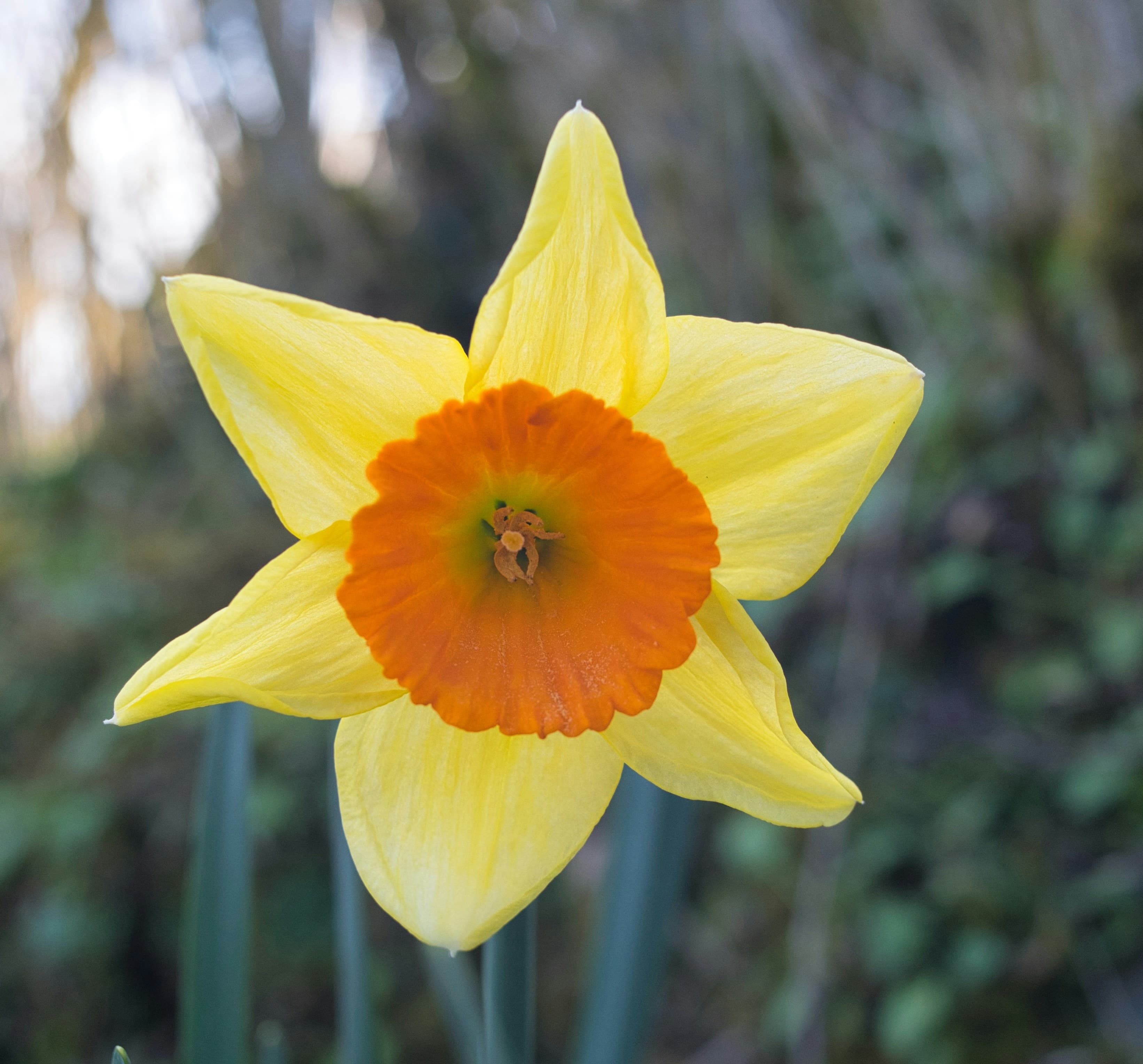
The Welsh name for the daffodil is cenhinen Bedr — Peter's leek, Saint Peter's leek. It blooms on the first of March, Saint David's Day, the day Wales claims for itself. It comes back every year from ground that looked, through the winter, like it had given up.
Read more →
When you lose the people who were there, you lose something specific: the corroboration. The confirmation that it happened, that it was real, that you are not constructing a world out of nothing.
The Welsh word cartref means home, but it carries more than the English does. Cart is a base, a foundation. Tref is a town, a settlement, a place where people have chosen to be. Together they suggest a home that is also a position — a place where you have located yourself in the world.
Welsh has a goodnight that is softer than the English version. Nos da. Good night. It rolls off without much ceremony, the kind of thing you say a hundred times before it means anything, and then one day it means everything.
The last time I saw Eira she was five and a half. She stood at the door in her school coat and she was explaining something with the authority that five-year-olds bring to explanations. I don't remember exactly what it was. Something about a snail.
The Welsh word for return doesn't only mean reversing the direction you came from. It carries something else with it — the knowledge that the place you are returning to has continued without you.
A two-and-a-half-year-old sees everything for the first time. Not almost for the first time, not nearly for the first time — actually for the first time. The mushroom is a genuine mystery. The snail is a genuine surprise.
They say the Welsh have a word for a kind of longing that doesn't quite exist anywhere else — hiraeth. It rolls off the tongue like the wind coming down from the hills, a little soft at the start, lingering at the end.
Grief has its own relationship with time. Welsh folklore offers a language for the moments that refuse to pass — and for the ones that last forever.
Many of us have stood at a death notice and read phrases like 'passed away suddenly' or 'left us unexpectedly' — words chosen to avoid the actual word, to protect the family from glances, comments, whispers.
Grief can be the loneliest place in the world. But it doesn't have to be walked alone. On finding the Sad Dads Club — and why community in grief matters more than anything.
When a parent loses a child, the people around them often don't know what to do or say. This is a guide — honest and practical — for those who want to help.
75 questions to ask someone who is grieving. And the harder question underneath all of them: what does it mean to truly be present with someone in pain?
It can start without you first understanding why. A week, perhaps a few weeks, when everything feels heavier again. Sleep gets worse. You're tearful, irritable, anxious without being able to put your finger on why.
When a sibling dies by suicide, something happens that few people talk about: you become bereaved and invisible at the same time. The flowers, the conversations and the care are often directed at the parents, or at a partner. And you stand there beside them.
Almost everyone who loses someone to suicide carries guilt. The thoughts grind: what if I'd called that evening. What if I'd seen the signs. What if I'd said something different.
Perhaps you're reading this in the middle of the night. Perhaps it has been a few days, perhaps a few weeks, since everything changed — and you're sitting with your phone trying to understand what is happening inside you.
One of the most common questions we encounter, whether it has been a week or ten years, is the simplest and at the same time the hardest: where do I turn? Grief after suicide rarely comes with a clear map.
You shared a bed, a daily life and plans for the future with someone. And then, from one day to the next, that person is gone — and you are left in the middle of a life you built together, alone.
If you're reading this now, right after, there is only one thing we want you to take in first: you don't need to manage any of the practical things today. The brain is in shock, the body is in shock.
There are no words in any language that are big enough for what you are carrying. We know this, because we carry it too. This piece is for parents who have lost a child to suicide.